Feeling overwhelmed while pregnant? Real stress-busting tips
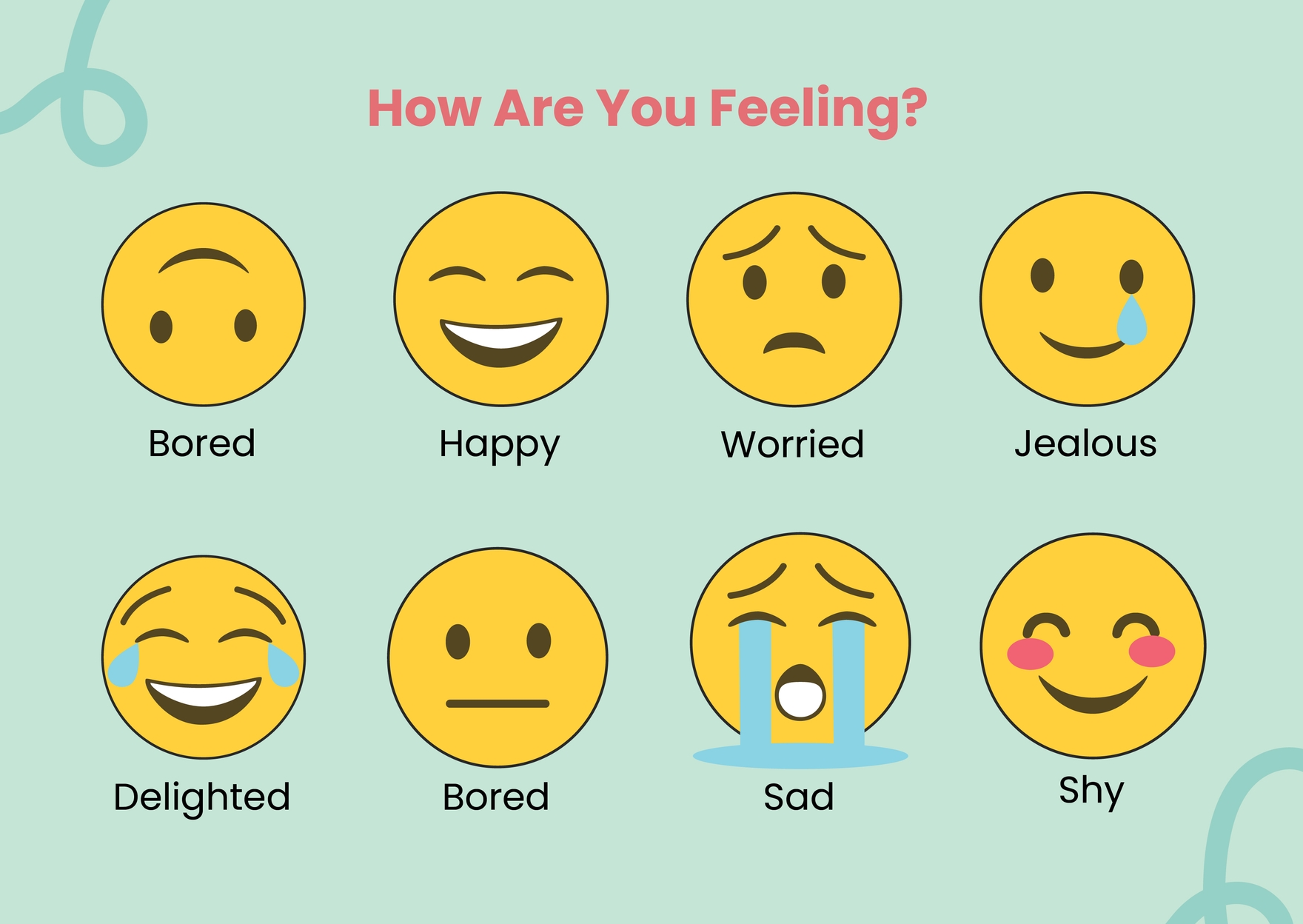
It's okay to admit it: pregnancy is beautiful, miraculous…and totally overwhelming. You're growing a tiny human, navigating a sea of unsolicited advice, and dealing with hormonal shifts that would make a rollercoaster jealous. Feeling stressed, anxious, or just plain frazzled? You're not alone, mama. I've been there, and I know firsthand that the picture-perfect pregnancy we often see doesn't always reflect the reality.
The truth is, nurturing your emotional well-being during pregnancy is just as important as eating your greens and taking your prenatal vitamins. When you're stressed, your body releases hormones like cortisol, which can affect your baby's development. Studies have shown that high levels of stress during pregnancy can be linked to premature birth, low birth weight, and even behavioral issues later in childhood. But more than that, you deserve to enjoy this journey as much as possible. You deserve to feel calm, supported, and empowered. So let's start small. Take a deep breath right now. Inhale slowly, hold for a few seconds, and exhale even more slowly. Do that a few times. Notice how your body starts to relax. Little moments like this can make a real difference.
Feeling Overwhelmed While Pregnant? Real Stress-Busting Tips
Pregnancy is a transformative experience, and it’s normal to feel a whole range of emotions, sometimes all at once! From the initial excitement to the anxieties about labor and delivery, and the concerns about being a good parent, it's a lot to process. Ignoring these feelings can actually make them worse, so let's explore some practical strategies to manage stress and cultivate a sense of calm during your pregnancy.
Understanding Pregnancy Stress
It’s not just about feeling "a little worried." Pregnancy stress can manifest in different ways. You might experience physical symptoms like headaches, muscle tension, or digestive issues. You could also notice changes in your mood, such as increased irritability, sadness, or difficulty concentrating. Maybe you're having trouble sleeping, even though you're exhausted. All of these can be signs that you’re carrying a heavier emotional load than you realize. Recognizing these signs is the first step in taking control.
Common Sources of Pregnancy Stress
Pregnancy brings a unique set of stressors. Financial concerns, relationship changes, career uncertainty, and fear of the unknown all play a role. Maybe you're worried about your body changing, or perhaps you're dealing with difficult family dynamics. It’s important to identify the specific triggers that are causing you stress so you can address them directly. Journaling, talking to a therapist, or even just chatting with a trusted friend can help you pinpoint these stressors.
Physical discomfort: Morning sickness, back pain, swollen ankles – pregnancy can be physically demanding. Hormonal changes: Fluctuating hormones can affect your mood and energy levels. Financial worries: Preparing for a new baby can put a strain on your finances. Relationship issues: Pregnancy can bring existing relationship challenges to the surface. Fear of childbirth:Anxiety about labor and delivery is common, especially for first-time moms.
Simple Strategies for Stress Relief
You don't need to overhaul your entire life to find relief. Small, consistent changes can have a big impact on your overall well-being. These are some tried-and-true methods I relied on during my own pregnancies, and I hope they'll help you too.
Prioritize Sleep
Easier said than done, right? But seriously, making sleep a priority is crucial for managing stress. Aim for at least 7-8 hours of quality sleep each night. Create a relaxing bedtime routine – take a warm bath, read a book, or listen to calming music. Avoid screen time before bed, as the blue light can interfere with your sleep. If you're struggling with insomnia, talk to your doctor or midwife about safe sleep aids. Getting enough rest allows your body and mind to recharge, making you better equipped to handle stress.
Gentle Exercise
I know, the last thing you might feel like doing when you’re exhausted is exercising. But gentle movement can work wonders for both your physical and mental health. Prenatal yoga, walking, swimming, and light stretching are all great options. Exercise releases endorphins, which have mood-boosting effects. It can also help improve your sleep, reduce back pain, and boost your energy levels. Of course, always check with your doctor before starting any new exercise program.
Mindful Moments
Incorporating mindfulness into your daily routine can help you stay present and grounded. Even just a few minutes of meditation each day can reduce stress and improve your overall sense of well-being. There are many free guided meditation apps available, specifically designed for pregnant women. You can also practice mindful breathing exercises throughout the day. Simply focus on your breath, noticing the sensation of each inhale and exhale. When your mind wanders, gently bring your attention back to your breath.
Connect with Others
Don't isolate yourself! Pregnancy can be a lonely time, especially if you're experiencing uncomfortable symptoms or feeling overwhelmed. Connect with other pregnant women, either online or in person. Join a support group, attend a prenatal class, or simply reach out to friends and family. Sharing your experiences and hearing from others who understand what you're going through can be incredibly validating and supportive. Lean on your partner, family, and friends for emotional support.
Create a Calming Environment
Your surroundings can have a significant impact on your stress levels. Create a calming and peaceful environment at home. Declutter your space, add some plants, and use soothing colors. Light candles or diffuse essential oils with relaxing scents like lavender or chamomile. Make your bedroom a sanctuary – a place where you can truly relax and unwind.
Deeper Dive: Coping with Intense Emotions
Sometimes, the usual stress-busting tips aren't enough. If you're experiencing persistent anxiety, depression, or overwhelming sadness, it's important to seek professional help. It's not a sign of weakness; it's a sign of strength.
Consider Therapy
A therapist can provide a safe and supportive space for you to explore your emotions and develop coping strategies. Cognitive Behavioral Therapy (CBT) and interpersonal therapy are two common types of therapy that can be helpful for managing pregnancy-related stress and anxiety. Your doctor or midwife can refer you to a qualified therapist who specializes in working with pregnant women.
Medication Options
In some cases, medication may be necessary to manage severe anxiety or depression during pregnancy. While the decision to take medication during pregnancy is a personal one, it's important to weigh the risks and benefits with your doctor. There are certain antidepressants that are considered relatively safe to use during pregnancy, but it's crucial to discuss all your options with a healthcare professional.
What's the safest way to handle pregnancy stress?
There isn’t one "safest" way, because every woman is different. However, focusing on natural stress-reduction techniques like exercise, mindfulness, and connecting with your support system is often a good starting point. Always consult your doctor before starting any new treatment, and be open about your emotions.
When should I ask a doctor about my emotions?
If you're experiencing persistent sadness, anxiety, or overwhelming feelings that interfere with your daily life, it's time to talk to your doctor. Don't hesitate to seek help if you're struggling.
How do I stop overthinking during pregnancy?
Practice mindfulness techniques to stay present, limit your exposure to triggering information, and challenge negative thoughts. Remind yourself that you’re doing your best, and focus on what youcancontrol. Talk to a therapist if the overthinking becomes overwhelming.
Embrace Imperfection and Self-Compassion
Finally, remember to be kind to yourself. Pregnancy is a journey, not a destination. There will be good days and bad days. There will be moments of joy and moments of overwhelm. It's okay to not be perfect. It's okay to ask for help. It's okay to feel like you're not quite sure what you're doing. Give yourself permission to rest, to relax, and to simply be. You're growing a human, mama. That's pretty amazing. Be patient with yourself, trust your instincts, and know that you've got this.
Post a Comment for "Feeling overwhelmed while pregnant? Real stress-busting tips"