Burnout during pregnancy is real — here’s how to cope
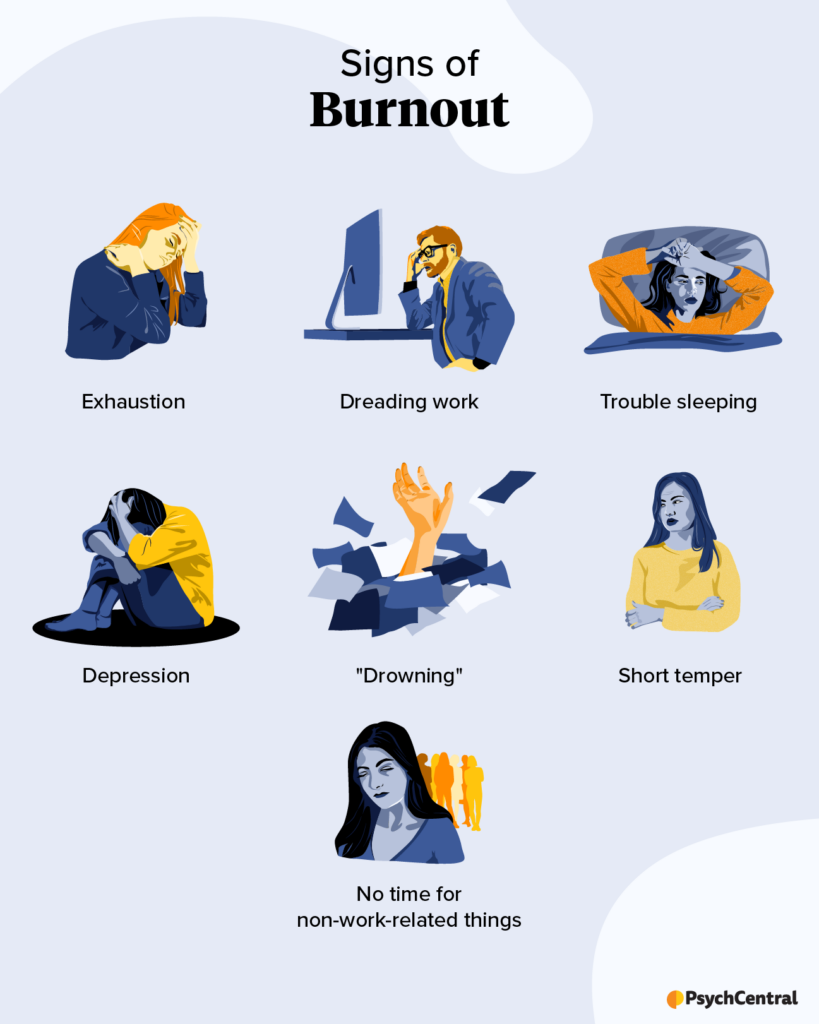
It hits you like a wave, doesn’t it? The exhaustion, the overwhelm, the feeling that you’re just… done. You’re growing a human, navigating appointments, maybe chasing after other little ones, and trying to keep everything else in your life from falling apart. If you're feeling burnt out during pregnancy, you’re not alone. So many mamas-to-be experience this, even if they don't always talk about it. Trust me, I’ve been there, staring at the pile of laundry, wondering how I was supposed to find the energy to fold a single sock.
It’s easy to think that physical health is the only thing that matters during pregnancy. After all, we're constantly reminded about nutrition, exercise, and doctor's appointments. But your emotional well-being is just as crucial. When you’re constantly stressed, your body releases hormones like cortisol, which can impact both you and your baby. Studies have shown a link between high stress levels during pregnancy and potential complications. Nurturing your mental health is nurturing your baby's health too. So, let's make a deal: let’s find ways to carve out moments of calm amidst the chaos.
Here’s something simple you can try right now: Close your eyes, take three deep breaths, and focus on the feeling of the air filling your lungs and then slowly releasing. Really concentrate on that sensation. It’s amazing how such a small act can momentarily ground you.
Burnout During Pregnancy Is Real — Here’s How To Cope
Pregnancy is often portrayed as a time of pure joy and excitement, but the reality is far more complex. The hormonal changes, physical discomfort, anxiety about the future, and societal pressures can create a perfect storm for burnout. This isn’t just feeling tired; it’s a deep-seated exhaustion that affects your mood, motivation, and ability to cope with daily life.
Burnout during pregnancy manifests in different ways for different women. You might find yourself feeling constantly irritable, easily overwhelmed by small tasks, or detached from activities you usually enjoy. Insomnia, changes in appetite, and a general sense of hopelessness are also common signs. Recognizing these symptoms is the first step toward finding effective strategies to manage them. It’s important to remember that experiencing these feelings doesn't make you a bad mother. It makes you a human being navigating a challenging time.
Why Am I So Overwhelmed During Pregnancy?
The reasons for feeling overwhelmed are multi-layered. There’s the obvious physical toll of pregnancy: the constant nausea, fatigue, back pain, and the general feeling of your body being taken over by another human being. Then there are the hormonal fluctuations, which can wreak havoc on your mood and energy levels. But beyond the physical aspects, there’s also the mental and emotional burden of preparing for a new baby.
You’re likely thinking about finances, childcare, your relationship with your partner, your career, and a million other things. Social media often adds to the pressure, presenting an unrealistic image of "perfect" pregnancy. Plus, many women feel pressured to maintain their pre-pregnancy routines and responsibilities, leading to overexertion and burnout.
How Do I Stop Overthinking During Pregnancy?
Overthinking is a common symptom of pregnancy anxiety, and it can definitely contribute to burnout. One of the most effective strategies is to practice mindfulness. Mindfulness involves focusing on the present moment without judgment. Try activities like meditation, deep breathing exercises, or simply paying attention to your senses while doing everyday tasks.
Another helpful technique is to challenge your negative thoughts. Ask yourself if there's any evidence to support your worries, or if you're jumping to conclusions. Talking to a therapist or counselor can also provide you with tools to manage anxiety and overthinking. Writing down your worries can also help you process them. Sometimes, just getting them out of your head and onto paper can lessen their impact.
Practical Strategies for Managing Pregnancy Burnout
Fortunately, there are several things you can do to manage burnout and reclaim some sense of control and well-being. These aren’t miracle cures, but rather practical steps you can incorporate into your daily life to ease the burden.
Prioritize Rest: This might seem obvious, but it’s often the first thing to go when we’re feeling overwhelmed. Aim for 7–9 hours of sleep each night, and don’t be afraid to take naps during the day if you need them. Even 20 minutes of shut-eye can make a difference. Create a relaxing bedtime routine to wind down before sleep.
Delegate and Ask for Help: You don’t have to do everything yourself. Ask your partner, family, or friends for help with household chores, errands, or childcare if you already have children. Consider hiring a cleaning service or meal delivery service to lighten your load. Don’t feel guilty about asking for assistance. People generally want to help, and it's a sign of strength, not weakness, to acknowledge your limitations.
Simplify Your Schedule: Look at your calendar and identify activities that you can eliminate or postpone. Focus on the essentials and let go of anything that isn’t absolutely necessary. Say "no" to commitments that drain your energy.
Nourish Your Body: Eat nutritious foods that support your energy levels and mood. Avoid processed foods, sugary drinks, and excessive caffeine. Focus on whole grains, lean protein, fruits, and vegetables. Stay hydrated by drinking plenty of water.
Practice Self-Care: Carve out time for activities that bring you joy and relaxation. This could be anything from reading a book, taking a bath, listening to music, or spending time in nature. Even a few minutes of self-care each day can make a big difference.
Gentle Exercise: Regular physical activity can boost your mood and energy levels. Choose activities that are safe and comfortable for pregnancy, such as walking, swimming, or prenatal yoga. Even a short walk can do wonders.
Connect with Other Moms: Talking to other pregnant women or new mothers can help you feel less alone and more understood. Join a support group, attend prenatal classes, or connect with other moms online. Sharing your experiences and hearing from others can provide valuable perspective and support.
Limit Social Media: Social media can contribute to feelings of inadequacy and comparison. Take breaks from social media or unfollow accounts that make you feel bad about yourself. Remember, people usually only show their highlight reel, not the whole story.
What’s the Safest Way to Handle Pregnancy Stress?
The safest and most effective way to handle pregnancy stress involves a combination of lifestyle adjustments, relaxation techniques, and professional support when needed. Open communication with your partner, family, and healthcare provider is key.
Breathing exercises, meditation, and yoga are excellent relaxation techniques. Gentle exercise can also help reduce stress hormones. Prioritizing sleep and healthy eating are also essential. If stress becomes overwhelming or unmanageable, don't hesitate to seek professional help from a therapist or counselor specializing in perinatal mental health. They can provide you with coping strategies and support to navigate your emotions. It's also crucial to discuss any concerns with your OB-GYN, as they can assess your overall health and rule out any underlying medical conditions that might be contributing to your stress.
When Should I Ask a Doctor About My Emotions?
It's important to consult your doctor or a mental health professional if you experience any of the following:
Persistent feelings of sadness, hopelessness, or anxiety
Difficulty sleeping or eating
Loss of interest in activities you used to enjoy
Thoughts of harming yourself or your baby
Panic attacks or severe anxiety
Feeling overwhelmed or unable to cope with daily life
These symptoms could indicate a more serious condition, such as prenatal depression or anxiety, which requires professional treatment. Remember, seeking help is a sign of strength, not weakness, and it's essential for the well-being of both you and your baby. Don't hesitate to reach out for support if you need it. Your doctor can provide you with resources and referrals to mental health professionals who specialize in perinatal care. Early intervention can make a significant difference in your overall well-being and the health of your pregnancy.
Remember, mama, you’re doing an incredible job. Growing a tiny human is hard work, and it’s okay to not feel perfect all the time. Be kind to yourself, prioritize your well-being, and don’t be afraid to ask for help. You've got this. And remember, this feeling will pass. You're stronger than you think.
Post a Comment for "Burnout during pregnancy is real — here’s how to cope"