The emotional care kit every mom-to-be should build
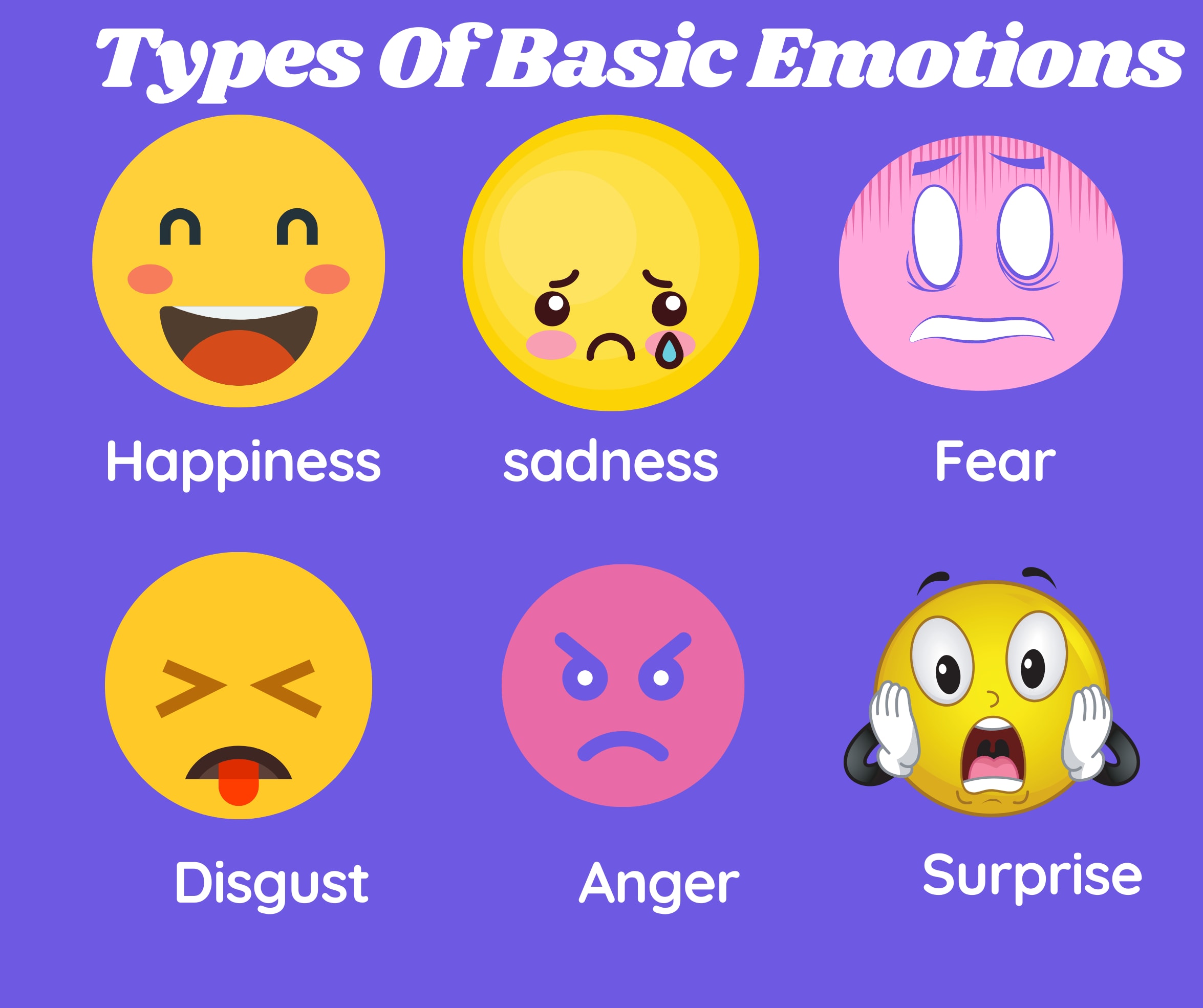
Oh honey, I get it. That positive pregnancy test might have brought a tidal wave of joy, but it also probably unleashed a flurry of worries. Am I doing everything right? What if something goes wrong? How am I going to balance work, life, and a tiny human? It's completely normal to feel overwhelmed – trust me, been there, survived that (twice!). But just as you're building your baby registry and prepping the nursery, let’s create something equally vital: your emotional care kit for pregnancy.
The Emotional Care Kit Every Mom-To-Be Should Build
Pregnancy is so much more than just physical changes; it’s a massive emotional rollercoaster. Those hormones are surging, your body is transforming, and you’re facing the reality of becoming a parent – it's a lot to process! Taking care of your emotional well-being is not a luxury, it’s essential for both you and your baby. Studies have shown a strong link between a mother's emotional state during pregnancy and the baby's development. High levels of stress and anxiety can potentially affect your baby's sleep patterns, temperament, and even long-term health. A calm and supported mom is more likely to have a healthier pregnancy and a smoother transition into motherhood.
Right now, take a deep breath. Inhale slowly, filling your lungs, and exhale even more slowly, releasing any tension you’re holding. Do that a few times. Notice how even that small act can bring a sense of calm? That’s the power of mindful breathing, and it's a tool you can use anytime, anywhere.
Understanding Your Pregnancy Emotions
Navigating your emotions during pregnancy can feel like trying to read a map in a foreign language. One minute you're teary-eyed over a commercial, the next you're snapping at your partner because they loaded the dishwasher wrong (again!). It's all part of the hormonal symphony playing out inside you. The key is to acknowledge these feelings without judgment. Don’t beat yourself up for feeling anxious or irritable. Instead, recognize that these emotions are valid and part of the pregnancy experience. Learning to identify your emotional triggers can also be incredibly helpful. Does a specific person, situation, or even a certain time of day tend to bring on feelings of stress or anxiety? Once you know your triggers, you can start to develop strategies for managing them.
How do I stop overthinking during pregnancy?
Overthinking is a common trap during pregnancy. Suddenly, every decision feels monumental. One strategy is to limit your exposure to information overload. While research is important, endlessly scrolling through forums and reading every article about potential complications can fuel anxiety. Instead, rely on trusted sources like your doctor or a certified childbirth educator. Another technique is to practice thought stopping. When you catch yourself spiraling into negative thoughts, consciously tell yourself to stop.Then, redirect your attention to something positive or engaging. It could be listening to music, taking a walk, or connecting with a friend. Finally, remember that you don’t have to have all the answers right now. Give yourself permission to take things one day at a time.
Building Your Emotional Toolkit: Practical Strategies
An emotional care kit isn't a physical box filled with lotions and potions (though those can help too!). It's a collection of strategies and resources you can turn to when you need emotional support during your pregnancy. Here are some essential tools to include: Mindfulness and Meditation: Even just 5-10 minutes of daily meditation can make a significant difference. There are many apps and online resources offering guided meditations specifically designed for pregnant women. These meditations can help you to reduce stress, improve sleep, and cultivate a sense of calm and well-being. Gentle Exercise: Physical activity is a fantastic stress reliever. Walking, swimming, prenatal yoga, and stretching are all excellent options. Aim for at least 30 minutes of moderate-intensity exercise most days of the week, but always check with your doctor before starting any new exercise program. Not only does exercise release endorphins (natural mood boosters), it also helps you to feel more connected to your body and prepares you for labor. Creative Expression: Engaging in creative activities can be a powerful way to process your emotions and express yourself. Whether it's journaling, painting, knitting, or playing music, find an outlet that allows you to tap into your inner creativity. Don’t worry about being “good” at it; the goal is to enjoy the process and let your emotions flow. Connecting with Others: Social support is crucial during pregnancy. Spend time with loved ones who make you feel good about yourself. Join a prenatal support group where you can connect with other expectant mothers who understand what you're going through. Share your feelings, ask questions, and offer each other encouragement. Prioritize Sleep:Getting enough sleep is essential for both your physical and emotional health. Aim for at least 7-8 hours of sleep each night. Create a relaxing bedtime routine to help you unwind before sleep. This might include taking a warm bath, reading a book, or listening to calming music.
What’s the safest way to handle pregnancy stress?
The safest way to handle pregnancy stress is to use a combination of strategies that address both the physical and emotional aspects of stress. Prioritize self-care activities that help you to relax and recharge, such as taking a warm bath, getting a massage, or spending time in nature. Practice relaxation techniques like deep breathing, meditation, or progressive muscle relaxation. Talk to your partner, friends, or family members about your feelings. If your stress is severe or persistent, don't hesitate to seek professional help from a therapist or counselor specializing in perinatal mental health. They can provide you with coping strategies and support to manage your stress effectively. Avoid using unhealthy coping mechanisms such as alcohol, drugs, or excessive caffeine.
Nurturing Your Relationship
Pregnancy isn't just about you; it's about you and your partner. As you go through this significant life change, it’s easy to get caught up in your own experience, but nurturing your relationship is paramount. Open and honest communication is more important than ever. Talk to your partner about your fears, your hopes, and your expectations. Listen to their concerns and offer them support. Make time for each other, even if it's just for a few minutes each day. Cuddle on the couch, go for a walk together, or simply share a meal. These small moments of connection can make a big difference in strengthening your bond.
Don't be afraid to ask for help. Whether it's help with household chores, errands, or simply emotional support, let your partner know what you need. Remember, you're in this together. Working as a team will help you to navigate the challenges of pregnancy and prepare for parenthood.
When to Seek Professional Support
While building your emotional care kit and practicing self-care can be incredibly helpful, it's important to recognize when you need professional support. If you're experiencing persistent feelings of sadness, anxiety, or hopelessness, don't hesitate to reach out to a therapist or counselor specializing in perinatal mental health. Other warning signs include:
Changes in appetite or sleep patterns
Difficulty concentrating or making decisions
Loss of interest in activities you once enjoyed
Feeling overwhelmed or unable to cope
Having thoughts of harming yourself or your baby
Remember, seeking help is a sign of strength, not weakness. There are many resources available to support your mental health during pregnancy. Talk to your doctor or midwife for referrals to qualified professionals in your area.
When should I ask a doctor about my emotions?
You should always ask your doctor about your emotions if you are experiencing significant distress or if your emotional state is interfering with your daily life. It’s important to proactively bring it up, especially if you have a history of mental health challenges, are experiencing traumatic events during pregnancy, or simply feel “off.” Your doctor can assess your symptoms, rule out any underlying medical conditions, and connect you with appropriate resources such as therapy, medication, or support groups. Trust your instincts. If you feel like something isn't right, don't hesitate to seek professional help.
Remember, Mama, you're not alone. Pregnancy can be a beautiful but challenging journey, and it's okay to ask for help along the way. You are strong, capable, and deserving of support. You've got this.
Post a Comment for "The emotional care kit every mom-to-be should build"