Feeling “too sensitive” while pregnant? Here’s why
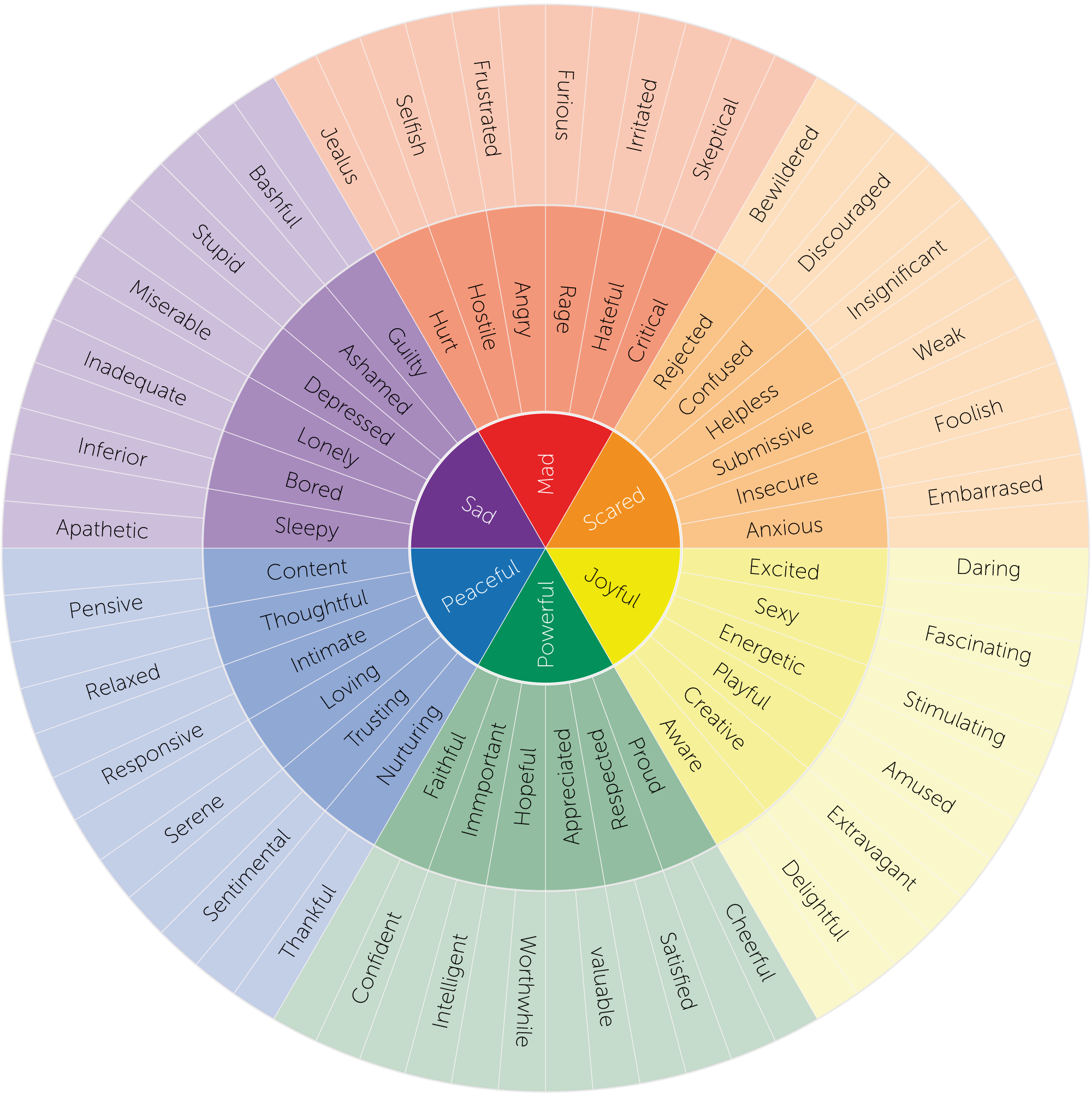
Feeling “too sensitive” while pregnant? Here’s why.
Is it just me, or does pregnancy turn everything up to eleven? One minute you're blissfully happy, the next you're crying over a commercial or feeling inexplicably irritated by your partner’s chewing. The emotional rollercoaster of pregnancy is REAL, and if you're finding yourself feeling more sensitive than usual, you are definitely not alone. I remember bursting into tears because the grocery store was out of my favorite ice cream. It felt completely irrational, but in that moment, it was devastating!
It's easy to dismiss these heightened emotions as "just hormones," but the truth is, what you're feeling matters deeply—not just to you, but also to your growing baby. Your emotional well-being is directly linked to your physical health, and studies show that chronic stress and anxiety during pregnancy can impact fetal development and increase the risk of complications. Creating a calm and supportive environment for yourself is one of the most important things you can do for both of you. And the good news is, there are simple, practical things you can do every day to find more balance and peace. Try this today: take just five minutes to sit quietly, close your eyes, and focus on your breath. Inhale deeply, exhale slowly. Even a few minutes of mindful breathing can make a real difference in calming your nervous system.
Hormones, Hormones, Hormones! (and Other Reasons for Pregnancy Emotions)
Of course, the first reason for this rollercoaster is the obvious one: hormones! The surge of estrogen and progesterone during pregnancy is significant and can directly impact your mood and emotional regulation. Think of it as your brain chemistry doing the tango! These hormonal changes affect the neurotransmitters in your brain, which can lead to increased emotional sensitivity, irritability, anxiety, and even depression. It's not just in your head; it's biology at work. But the hormonal shifts don't fully explain the emotional intensity we feel during pregnancy.
There are also HUGE life changes happening. You're preparing to bring a new life into the world, which is a monumental shift. It’s natural to feel anxious, excited, overwhelmed, and even scared. Your body is changing rapidly, and you're likely dealing with physical discomforts like morning sickness, fatigue, and aches and pains. This physical stress can also contribute to emotional distress. The pressure to be a “perfect” mom, societal expectations, and financial worries can all pile on, creating a perfect storm of emotional sensitivity. It’s completely understandable to feel like you’re on an emotional tightrope! It is truly amazing to realize the level of strength we have as mamas.
How Do I Stop Overthinking During Pregnancy?
Overthinking can be a major source of stress and anxiety during pregnancy. It's easy to get caught in a cycle of worrying about every little thing, from your baby's health to your ability to be a good parent. I have so been there! Here are a few strategies that helped me: Practice Mindfulness: Mindfulness techniques, like meditation or deep breathing, can help you stay present in the moment and avoid getting caught up in future worries. Challenge Negative Thoughts: When you notice yourself overthinking, try to identify the underlying fears or anxieties. Ask yourself if there's any evidence to support these worries or if you're jumping to conclusions. Limit Information Overload: Be mindful of how much time you spend reading about pregnancy and parenting online. While information can be helpful, too much can lead to unnecessary anxiety. Talk It Out: Sharing your worries with your partner, a friend, a therapist, or a support group can help you gain perspective and feel less alone. Journaling:Writing down your thoughts and feelings can be a helpful way to process them and identify any recurring patterns.
Creating a Calm Pregnancy: Practical Tips for Stress Relief
Navigating the emotional landscape of pregnancy requires a proactive approach to stress management. Here are some practical tips that can help you create a calmer, more peaceful pregnancy: Prioritize Sleep: Getting enough sleep is crucial for both your physical and emotional well-being. Aim for at least 7–8 hours of sleep each night. Eat a Healthy Diet: Nourishing your body with a balanced diet can help stabilize your mood and energy levels. Focus on whole foods, including fruits, vegetables, and lean protein. Stay Active: Regular exercise, even gentle activities like walking or prenatal yoga, can release endorphins and improve your mood. Practice Self-Care: Make time for activities that you enjoy and that help you relax. This could include taking a warm bath, reading a book, listening to music, or spending time in nature. Connect with Others: Spending time with loved ones can provide emotional support and reduce feelings of isolation. Consider Prenatal Yoga or Meditation: Both are amazing for emotional and physical calm during pregnancy.
What’s the Safest Way to Handle Pregnancy Stress?
When managing stress during pregnancy, it's essential to choose safe and healthy coping mechanisms. Here are some options to consider: Talk Therapy: Counseling or therapy can provide a safe space to explore your feelings, develop coping strategies, and address any underlying emotional issues. Cognitive Behavioral Therapy (CBT) and interpersonal therapy are particularly effective for managing anxiety and depression during pregnancy. Relaxation Techniques: Practices like deep breathing, progressive muscle relaxation, and guided imagery can help calm your nervous system and reduce stress. Mindfulness-Based Practices: Mindfulness meditation and mindfulness-based stress reduction (MBSR) can help you become more aware of your thoughts and feelings without judgment. Prenatal Massage: Massage can help relieve muscle tension, reduce stress hormones, and improve circulation. Support Groups: Connecting with other pregnant women in a support group can provide a sense of community and understanding. Communicate with Your Doctor: Always discuss any concerns about your mental health with your healthcare provider. They can assess your situation and recommend appropriate treatment options.
It's also important to avoid unhealthy coping mechanisms, such as excessive caffeine consumption, alcohol, smoking, or using recreational drugs. These substances can harm your baby and exacerbate your emotional distress.
When to Seek Professional Help
While it's normal to experience heightened emotions during pregnancy, there are times when it's important to seek professional help. Don't hesitate to reach out to your doctor or a mental health professional if you experience any of the following: Persistent Sadness or Hopelessness: Feeling consistently down or hopeless for more than two weeks. Loss of Interest in Activities: No longer enjoying activities that you used to find pleasurable. Changes in Appetite or Sleep: Significant changes in your eating or sleeping habits. Excessive Worry or Anxiety: Feeling overwhelmed by anxiety or having panic attacks. Difficulty Concentrating: Trouble focusing or making decisions. Thoughts of Self-Harm or Suicide: Having thoughts of hurting yourself or ending your life. Feeling Disconnected from Your Baby:Struggling to bond with your baby or feeling detached from the pregnancy.
When Should I Ask a Doctor About My Emotions?
It’s always best to err on the side of caution when it comes to your emotional well-being during pregnancy. If you're feeling overwhelmed, concerned, or just not yourself, don't hesitate to reach out to your doctor or midwife. They can assess your situation, provide support, and recommend appropriate resources. Remember, seeking help is a sign of strength, not weakness. You are prioritizing your health and your baby's well-being.
Asking for help is brave, and there are many resources available to support you. Your doctor can refer you to a therapist or counselor specializing in prenatal mental health. Postpartum Support International (PSI) offers a helpline and online resources for pregnant and postpartum women. Don't suffer in silence; reach out for the support you deserve.
Pregnancy is a transformative journey, and it's okay to feel a wide range of emotions. Remember to be kind to yourself, prioritize self-care, and seek help when you need it. You are strong, capable, and deserving of a happy, healthy pregnancy. Trust yourself, mama. You’ve got this!
Post a Comment for "Feeling “too sensitive” while pregnant? Here’s why"